
Electrical Engineering
Bachelor’s Degree
Power your future at Mines
Earning your Bachelor of Science in Electrical Engineering from Colorado School of Mines will prepare you to design, build, deploy and maintain equipment, devices and systems that use electricity, electronics and electromagnetism. Our BS in Electrical Engineering will also encourage you consider and explore the broader impacts of engineering solutions and how electrical devices impact society and human lives.
With multiple field engineering labs, world-class faculty, and a newly renovated Electronics Discovery Center (EDC), Mines is the top choice for any student with a passion for electrical engineering.
Core Electrical Engineering courses cover topics such as electrical circuits, feedback control systems, fundamentals of electric machinery, embedded systems, digital logic, information systems and engineering electromagnetics. Students can choose an area of emphasis by taking electives in the following subareas: power and energy systems; integrated circuits and electronics; information and systems sciences; and antennas and wireless communication.
Why do so many students choose Mines?

Name
“Quotation.”
Name
Department, status, etc.

Name
“Quotation.”
Name
Department, status, etc.
Name
“Quotation.”
Name
Department, status, etc.
Core courses in our Electrical Engineering undergraduate program cover a variety of topics, including:
- Electrical circuits
- Feedback control systems
- Fundamental of electric machinery
- Embedded systems
- Digital logic
- Information systems
- Engineering electromagnetics
Following the core curriculum, students can then choose to specialize their degree by taking electives in the following areas:
- Power and Energy Systems (PES)
- Integrated Circuits and Electronics (ICE)
- Information and Systems Sciences (ISS)
- Antennas and Wireless Communication (AWC)
Learn more about our top-ranked undergraduate program here: Electrical Engineering website


Experiential major menus
Uniquely tailored to your undergraduate major of choice, these menus offer a wide array of extra-curricular activities that complement and enrich the traditional classroom experience.
Explore the extra-curricular activities that complement your degree.
Electrical Engineering at a glance

Focus on hand-on learning
Strong collaboration with IEEE at Mines student chapter
On-campus and online classes available
Newly renovated Electronics Discovery Center
At the undergraduate level, the department focuses on a select number of subareas in electrical engineering; specifically,
- Power and Energy Systems (PES)
- Integrated circuits and electronics (ICE)
- Information and Systems Sciences (ISS)
- Antennas and wireless communications (AWC)
Both undergraduate and graduate programs are characterized by strong ties with industrial partners (locally and nationally) that provide resources for students, laboratories, research projects, and ultimately career paths for our students.
Available Minors
- Information Systems and Science (ISS)
- Power and Energy Systems (PES)
- Digital Systems
- General Electrical Engineering
Jobs related to an electrical engineering degree:
- Aerospace engineer
- Broadcast engineer
- CAD technician
- Control and instrumentation engineer
- Electrical engineer
- IT consultant
- Network engineer
- Nuclear engineer
- Systems analyst
Making Mines more affordable
Mines’ financial assistance program awards more than $60 million per year, and over 82 percent of the student body receives some form of financial aid.
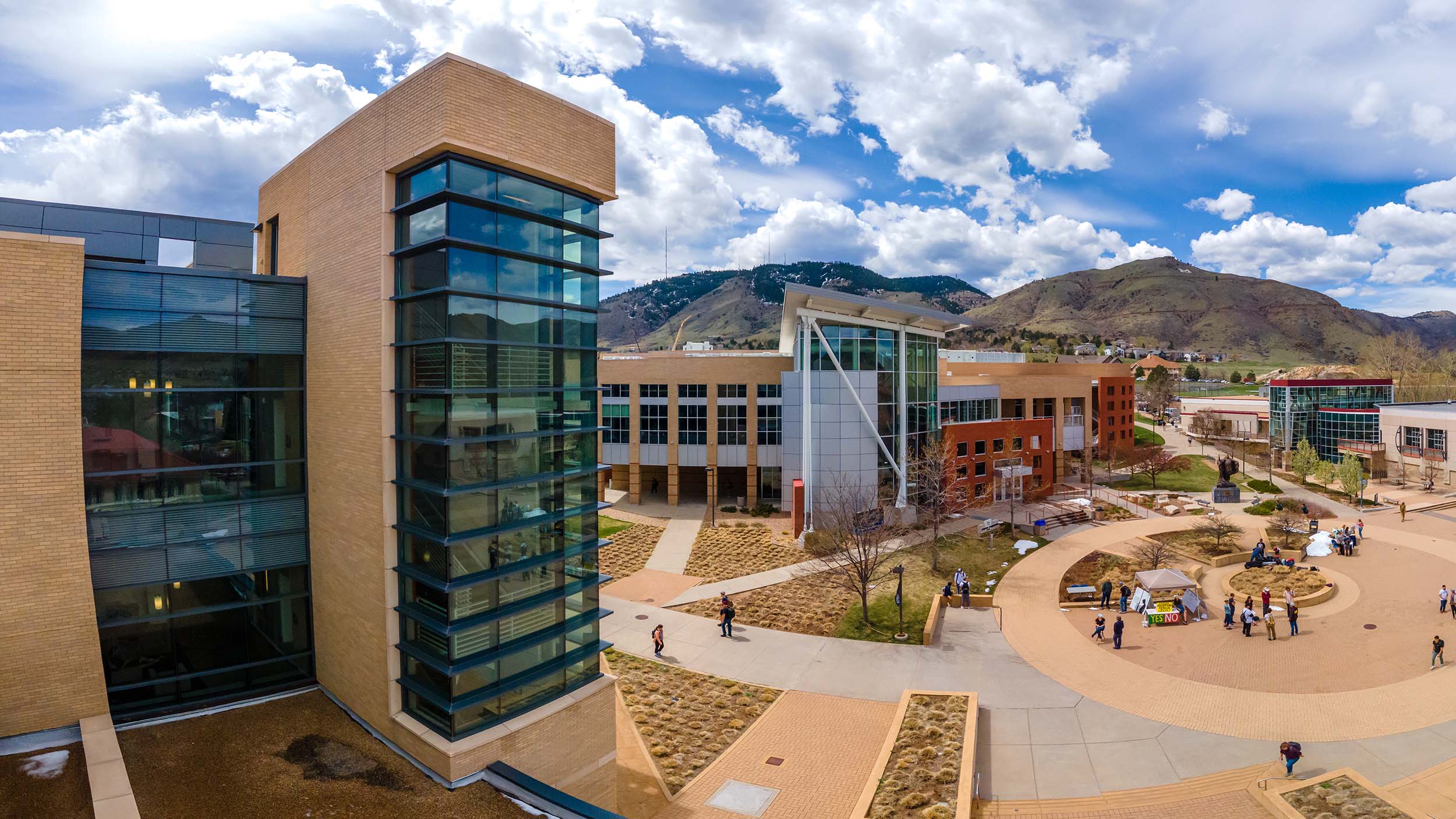

Why study electrical engineering at Mines?
From our dedicated faculty to innovative research opportunities, there are many reasons to choose Mines if you’re interested in Electrical Engineering.
Why do so many students choose Mines?
- Internationally recognized faculty
- Strong ties with local, national and international partners in industry
- Hands-on research labs
- 4+1 combined program (allowing students to earn a BA and a non-thesis Master’s in only 5 years)

Paige Granie
“Electrical engineering is challenging, but it is worth the knowledge and skills that you will gain. I am doing things now that I never would have dreamed I would ever be able to do while I was in high school.”
Paige Granie
Electrical Engineering Student

Career Outcomes
What can you do with a degree in electrical engineering? For starters, how about transforming your passion into a rewarding career?
According to theBureau of Labor Statistics, there are projected to be over 20,000 new openings for electrical engineering jobs each year. From the public to the private sector, electrical engineering is an essential position for a range of established industries and emerging fields, such as renewable energies.
From aerospace to research laboratories, Colorado School of Mines graduates with electrical engineering degrees have gone on to thrive in a variety of industries. Many of our alumni have worked with industry-leading companies, including Raytheon, Lockheed Martin and the National Renewable Energy Laboratory (NREL).
With a degree in electrical engineering, graduates will have the tools and resources to succeed in the following industries:
- Engineering
- Architectural firms
- Electric power generation
- Semiconductor/component manufacturing firms
- Electromedical manufacturing firms
- Telecommunications
- Research and development
- Aerospace firms
- Pipeline transportation
- Petroleum and coal manufacturing
And more. As one of the top ROI universities in the country, Mines graduates receive great value for their degrees as they transition into professional spaces. In fact, according to Money Magazine, Mines ranks as the second-best ROI among public colleges 20 years after graduation and beyond.
Ready. Set.
Faculty


Vibhuti Dave
Dean of Undergraduate Studies and Teaching Professor
Alderson Hall 451C
303-273-3670
vdave@mines.edu

Josue Campos do Prado
Teaching Assistant Professor
Brown Hall 330P
303-384-2753
josue.camposdoprado@mines.edu


Gabriel Santamaria-Botello
Assistant Professor
Brown Hall 310F
303-384-2744
Gabriel.SantamariaBotello@mines.edu


